Here’s something you probably didn’t do this morning: Look in the mirror and ask, am I a jerk? It seems like a reasonable question. There are, presumably, genuine jerks in the world. And many of those jerks, presumably, have a pretty high moral opinion of themselves, or at least a moderate opinion of themselves. They don’t think of themselves as jerks, because jerk self-knowledge is hard to come by.
Author Archives: lookingbeyondborders
The Family That Built An Empire Of Pain
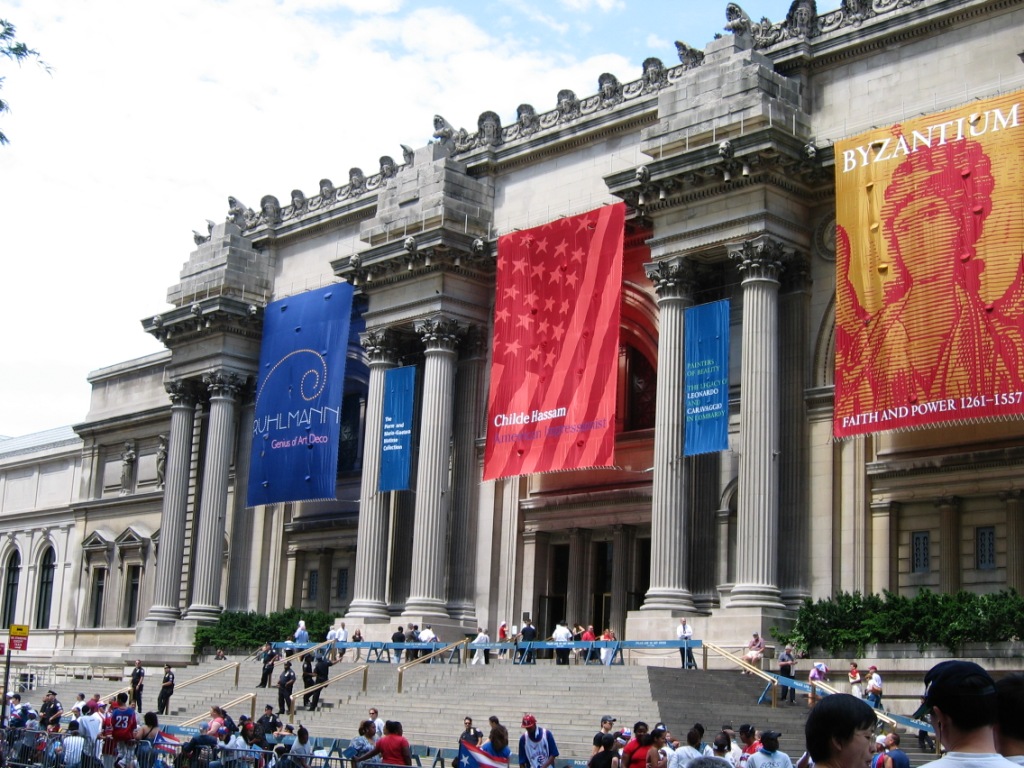
The north wing of the Metropolitan Museum of Art is a vast, airy enclosure featuring a banked wall of glass and the Temple of Dendur, a sandstone monument that was constructed beside the Nile two millennia ago and transported to the Met, brick by brick, as a gift from the Egyptian government. The space, which opened in 1978 and is known as the Sackler Wing, is also itself a monument, to one of America’s great philanthropic dynasties.
Disruptor Or Disrupted: The Story Of Global R&D
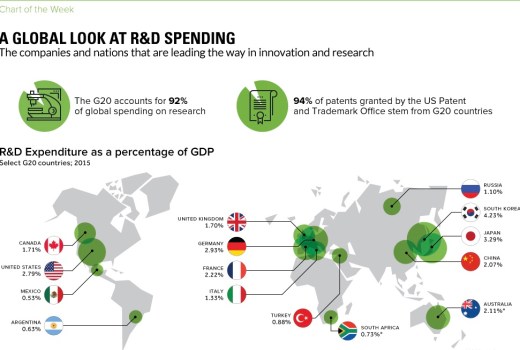
Given a choice of being the disruptor or the disrupted, many would prefer to choose the former. But it’s not as easy as just flipping a switch and subsequently reaping the benefits of a forward-looking vision, new product categories, and forthcoming patents. Instead, an organisation has to proactively acquire this innovation and intellectual capital from somewhere.
An Unlikely Triumph
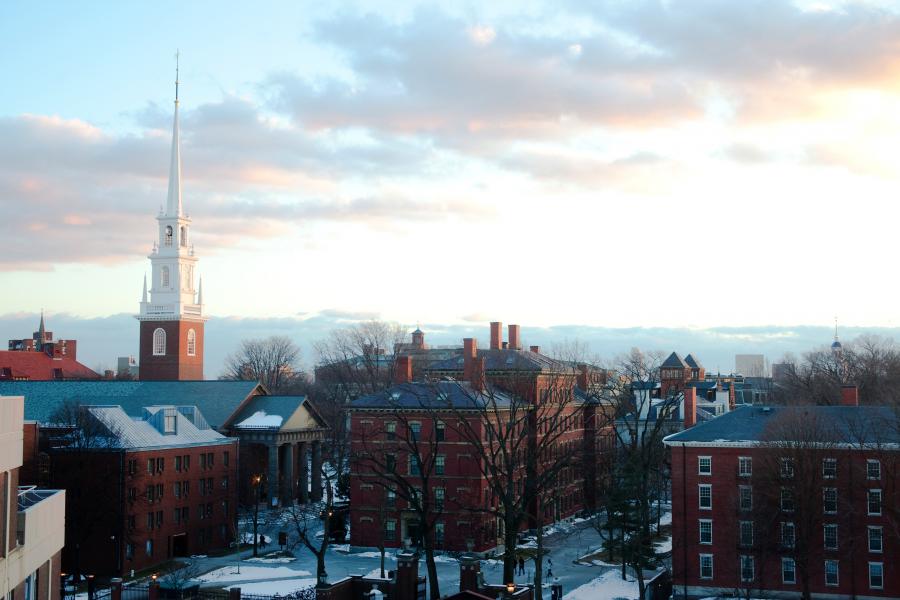
Harvard University Campus
From the perspective of 19th-century visitors to the United States, the country’s system of higher education was a joke. It wasn’t even a system, just a random assortment of institutions claiming to be colleges that were scattered around the countryside…But by the second half of the 20th century, it had assumed a dominant position in the world market in higher education. How did this remarkable transformation come about?
The Madras Observatory: From Jesuit Cooperation To British Rule
The Madras Observatory offers little to the visitor’s eye. Stone slabs and broken pillars lie ignored in a fenced-off section of a local weather centre in the southern Indian city of Chennai. Few tourists venture out to see the ruins of the 18th-century complex…Yet it is the Madras Observatory, and not the spectacular Jantar Mantars, that marks the triumphal fusion of scientific knowledge and imperial power.
How To Be A Know-It-All
 In addition to all of your other identities—urban, rural, Christian, atheist, African-American, first-generation, introverted, immunocompromised, cyclist, gun owner, gardener, middle child, whatever panoply of nouns and adjectives and allegiances describes you—you are also this: a gnathostome.
When Working From Home Doesn’t Work
If it’s personal productivity—how many sales you close or customer complaints you handle—then the research, on balance, suggests that it’s probably better to let people work where and when they want. For jobs that mainly require interactions with clients (consultant, insurance salesman) or don’t require much interaction at all (columnist), the office has little to offer besides interruption.
The False Prophecy Of Hyperconnection
It is a truth universally acknowledged that the world is connected as never before. Once upon a time, it was believed that there were six degrees of separation between each individual and any other person on the planet (including Kevin Bacon). For Facebook users today, the average degree of separation is 3.57. But perhaps that is not entirely a good thing.
Austenistan
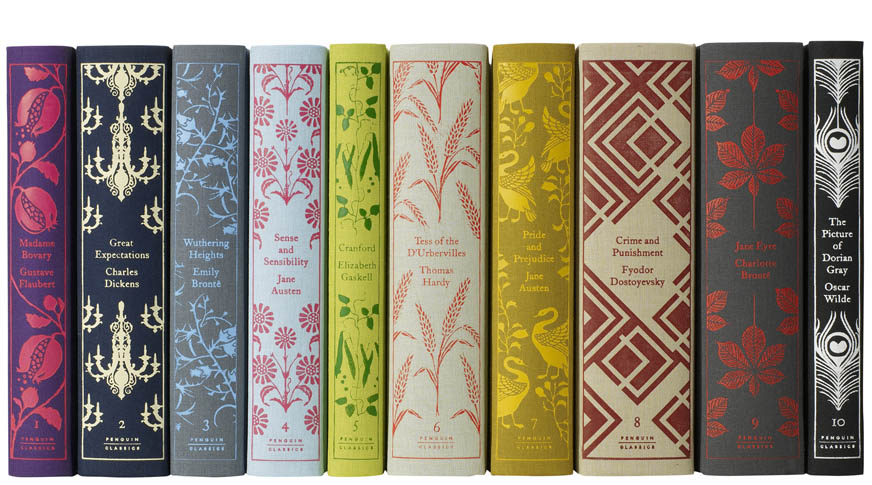
Dressed in muslin gowns, they sip Assam tea and nibble on cucumber sandwiches. A maid refills the silver teapot while her mistress and her guests discuss the merits of Lyme Regis over Bath. Outside in the garden, trees drip from a recent shower and birds hop on a damp lawn. It could be afternoon tea in Mansfield Park, the seat of the Bertram family in Jane Austen’s novel – except that the trees are banyans, the birds are Indian hoopoes and the maid wears a shalwar kameez. This is not Northamptonshire but Lahore.
Colours Are How Your Brain Makes The World

Photo on Unsplash by John Matychuk
The Tsimane People of the Amazon (pronounced chee-MAH-nay, roughly) hunt, farm, and forage. They don’t have a lot of technology. And if you talk to them about the colours they see in the world, they say some pretty interesting things…In the world of colour research, that’s unusual to the point of uniqueness. Across languages and cultures, people tend to break up “colorspace,” the universe of all the colours humans see, in roughly the same way—different words, sure, but for mostly the same colors
 This Day And That