The Tree Of Knowledge Is Not An Apple Or An Oak But A Banyan


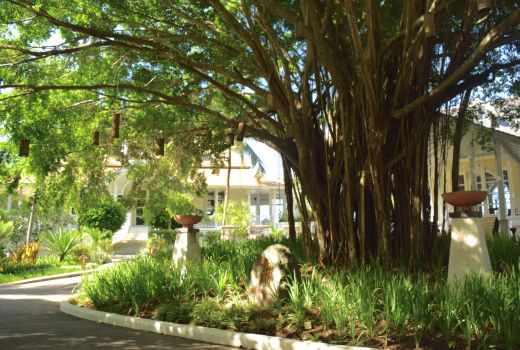
The tree of knowledge has a plurality of roots, and structures of knowledge are multiply grounded in the earth: the body of knowledge is a single organic whole, no part of which is more or less dispensable than any other. ‘Stands an undying banyan tree,’ says Krishna in the Bhagavad-Gītā, ‘with roots above and boughs beneath. Its leaves are the Vedic hymns: one who knows this tree knows the Vedas.
Read Here – Aeon

How Totalism Works


Not all leaders want to get rich, gain sexual favours, or grab political power. But all want utter control over others. Money, sex, free labour or loyal combatants are all fringe benefits, and certainly most leaders take advantage of these, some in a big way. But absolute control over their relationships is the key.

Read Here – Aeon

Power Causes Brain Damage


If power were a prescription drug, it would come with a long list of known side effects. It can intoxicate. It can corrupt. It can even make Henry Kissinger believe that he’s sexually magnetic. But can it cause brain damage?

Read Here – The Atlantic

Humans Of The Near Future


A new breed of human is on its way. Transhumanists are a group who seek to accelerate the evolution of humanity through science and technology. Oliver Pickup investigates the movement, the implications for humankind and asks, is it morally wrong to augment humans?

Read Here – Racountear

The Globalisation Of Literature


From new Silicon Valley-funded startups in the thicket of Calcutta slums to ramen shops in Kansas City, globalism as both concept and an everyday fact of life is embraced by today’s well-minded liberal body. So if that’s the case, if the argument for globalism is so water-tight and damn-near irreproachable, why in the area of literature does one find so many supposedly progressive voices constantly bashing the very books that come out of the cauldron of heterogeneity?

Read Here – The New Rambler

In Praise Of Boredom


In a culture where fast replies, constant stimulation and the omnipresence of social media rule the day, you might not expect that boredom is a booming business. Yet it is true: scholars from philosophy, psychology, art history, sociology and history—among others—have all tossed in their two cents on this suddenly fashionable subject, and not just by boring their own students.

Read Here – Literary Review of Canada

How To Learn How To Think


Let’s start with how you don’t learn to think. A study by a team of researchers at Stanford came out a couple of months ago. The investigators wanted to figure out how today’s college students were able to multitask so much more effectively than adults. How do they manage to do it, the researchers asked? The answer, they discovered—and this is by no means what they expected—is that they don’t.

Read Here – Farnam Street

How The Horse Made History


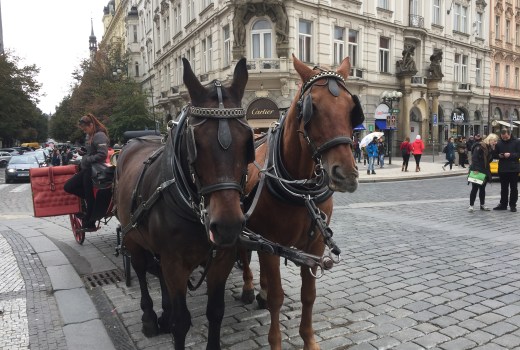
Six thousand years ago wild horses roamed the plains and steppes of the world. They were like many prey: fleet of foot, alert to threats and largely unaggressive. Then, in the Copper Age, the Botai people east of the Urals found a way to hunt them—for their meat and skins—and, later, to domesticate them. In horses, the Botai and succeeding civilisations found the best of partners. Horses are seen to be quick-witted and forgiving.

Read Here – The Economist

The Puzzling Way Writing Heals The Body


What does the act of committing words to paper do? Initially it was assumed this simply happened through catharsis, that people felt better because they’d let out their pent-up feelings. But then Pennebaker began looking in detail at the language people used in their writing.

Read Here – BBC

Understanding The Limitations Of Maps


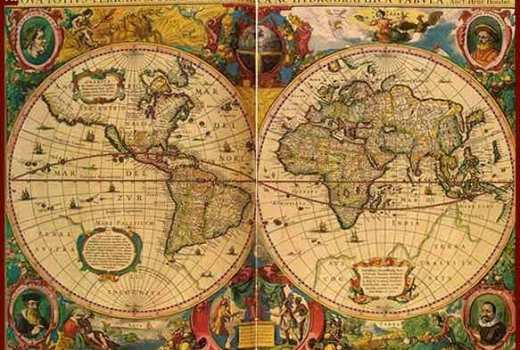
Maps are an abstraction, which means information is lost in order to save space. So perhaps the most important thing we can do before reading a map is to stop and consider what choices have been made in the representation before us.

Read Here – Farnam Street